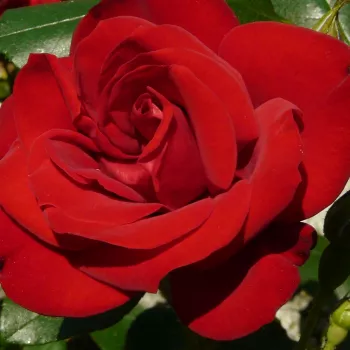
ENA HARKNESS™ – scarlet hybrid tea rose – Norman
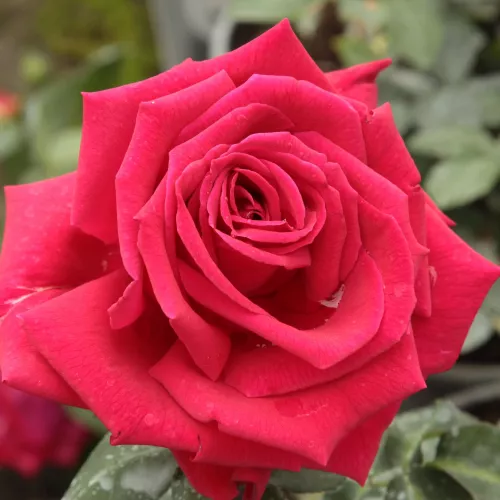
Classic hybrid tea elegance meets reliable garden performance in Ena Harkness, a richly scented, velvety scarlet rose designed for family gardens where you want impact without complex routines. Its upright, medium-sized habit fits easily into front borders and mixed cottage-style plantings, giving you shapely blooms for cutting as well as structure in the bed. Own-root development supports a naturally long-lived, regenerating bush that settles securely even in breezier sites with thoughtful protection against strong coastal winds and driving rain. The flowers appear on sturdy stems that are perfect for cutting, while the very strong, classic rose perfume drifts across patios and paths. Planted in a sunny, well-prepared spot or a generous 40–50 litre container, it rewards regular watering and simple seasonal pruning with abundant repeat flowering. Over time it builds from good roots in year one, to stronger shoots in year two, into full ornamental presence by year three for a settled, enduring feature in your garden.
Usage options
| Target area | Reasoning |
|---|
| Front garden focal point |
The upright, medium-height habit is ideal beside paths, bay windows or entrance areas where you want a single rose to read clearly from the street. Its velvety scarlet blooms hold their colour well, giving a traditional yet tidy focal point without complicated training – a straightforward choice for the style-conscious beginner. |
| Small mixed border in a family garden |
Planted in groups of 3–5 at the recommended spacing, Ena Harkness forms a coherent block of colour that sits neatly among perennials and low shrubs. Own-root growth builds a stable, balanced bush over the years, so the composition matures gracefully with only moderate pruning – reassuring for busy family gardeners. |
| Cutting bed or “home florist” corner |
The long, straight stems and medium, well-shaped double blooms lend themselves to vases and arrangements, while the very strong fragrance fills the home. Because it repeat-flowers generously, you can harvest stems regularly and still keep colour in the border – appealing to home florists who value both beauty and practicality. |
| Compact rose hedge or low dividing line |
At 50–70 cm spread and upright in habit, repeated plants at hedge spacing form a low, flowering line that subtly separates spaces without feeling heavy. Own-root plants reshoot well after pruning, helping the hedge recover and thicken over time – suitable for homeowners wanting structure with manageable upkeep. |
| Large container on patio or terrace |
In a 40–50 litre pot with good drainage, Ena Harkness performs reliably, provided regular watering is maintained in dry spells. The concentrated scent and rich colour are enjoyed at close quarters near seating areas, without needing a large bed – ideal for urban gardeners working with limited, hard-landscaped space. |
| Cottage-style border with classic companions |
The deep scarlet flowers contrast beautifully with blues and purples such as English bluebeard or calamint, giving a relaxed yet intentional cottage feel. Its repeat flowering threads colour through the season between perennials, so the border never feels bare – well suited to those curating a traditional, romantic scheme. |
| Feature rose in clay-improved or heavier soils |
Where heavier British garden soils are common, this own-root rose responds well to improved drainage in raised or slightly mounded beds, rewarding preparation with steady growth and reliable flowering. Over time the root system anchors deeply and supports long-term health – encouraging for gardeners improving established plots. |
| Scent-focused seating or relaxation area |
Placed near a bench or terrace, the very strong, classic fragrance creates a sensory focus with relatively few plants. Steady repeat flowering means there is usually some colour and scent during the season, supported by moderate maintenance only – particularly attractive for fragrance lovers and reflective garden users. |
Styling ideas
- Doorway welcome – Position a single plant by a front door with low evergreen edging so the scarlet blooms and perfume greet visitors – ideal for homeowners wanting classic kerb appeal.
- Cottage trio – Plant a group of three with Knautia ‘Red Knight’ and airy calamint to weave the red tones through a soft, informal border – for cottage-garden enthusiasts building a romantic scheme.
- Patio statement – Use one plant in a 50 litre terracotta pot with fine gravel mulch for a clean, architectural look and easy watering access – perfect for small-space urban gardeners.
- Fragrant cutting row – Line a sunny fence with evenly spaced plants, leaving access from one side to harvest long stems for vases through the season – suited to home florists and allotment users.
- Low rose partition – Create a short, knee- to waist-high hedge to frame a lawn or separate play and dining areas while keeping sightlines open – good for families wanting gentle structure without heaviness.
Technical cultivar profile
| Parameter | Data |
|---|
| Name and registration |
Hybrid Tea rose ‘Ena Harkness’, unregistered cultivar; commercial name Ena Harkness™ Hybrid tea rose Ena Harkness; ARS exhibition name Ena Harkness; feminine given-name cultivar. |
| Origin and breeding |
Bred by Albert Norman in the United Kingdom, 1946; parentage ‘Southport’ × ‘Crimson Glory’; first distributed by R. Harkness & Co. Ltd., a long-established British rose nursery. |
| Awards and recognition |
Recognised historic show variety with RNRS Gold Medal (1945) and Portland Gold Medal (1955), reflecting long-standing appreciation for its flower quality and fragrance in exhibition circles. |
| Growth and structural characteristics |
Medium-sized, upright bush, typically 70–100 cm high and 50–70 cm wide; moderately dense, dark green, slightly glossy foliage; densely thorned stems; weak self-cleaning so spent blooms benefit from deadheading. |
| Flower morphology |
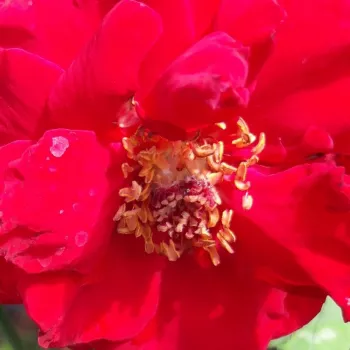
Double, cup- to goblet-shaped blooms with 26–39 petals, usually borne singly on stems; medium flower size around 4–7 cm, with classic hybrid tea form suitable for cutting and exhibition-type display. |
| Colour data and phenology |
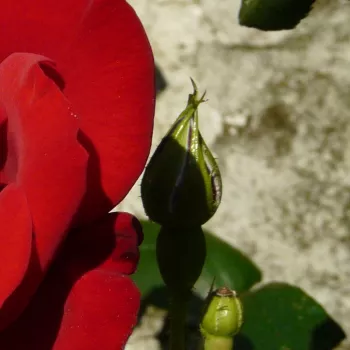
Velvety, deep scarlet with subtle black undertone; buds dark burgundy, opening intense glossy scarlet, maturing to matte crimson; moderate colour retention, lightening slightly in strong sun; good repeat-flowering habit. |
| Fragrance and aroma |
Very strong, full classic rose scent with garden-filling intensity in still air; flowers primarily ornamental and highly double, limiting access for pollinators compared with more open-flowered garden roses. |
| Hip characteristics |
Hip set generally low due to fully double blooms; where formed, produces small, red, egg-shaped hips about 12–16 mm in diameter, adding modest late-season interest on un-deadheaded stems. |
| Resistance and winter hardiness |
Hardy to approximately −21 to −18 °C (RHS H7, USDA zone 6b, Swedish zone 3); moderate disease resistance, including to black spot, mildew and rust; benefits from good hygiene and occasional preventative care. |
| Horticultural recommendations |
Best in sunny sites with fertile, well-drained soil; watering needed in prolonged drought; medium maintenance with regular deadheading and annual pruning; spacing 50–90 cm depending on hedge, mass or specimen use. |
ENA HARKNESS™ brings velvety scarlet blooms, powerful fragrance and reliable repeat flowering on a long-lived, own-root bush that rewards simple care, making it a thoughtful choice for traditional British gardens.